The Permanent Collection of the Noyes Museum of Art
The Noyes Museum of Art of Stockton University stewards and continues to build a collection that reflects its mission to engage the southern New Jersey region with the visual arts in inclusive, accessible, and meaningful ways. Building upon the Fred and Ethel Noyes Permanent Collection, the Museum collects, preserves, and interprets works of art that represent a diversity of artistic voices, with a particular emphasis on artists connected to the region and those whose work advances critical conversations in contemporary art and culture.
Through acquisitions, research, and conservation efforts, The Noyes Museum of Art seeks to honor its founders' legacy while advancing Stockton University’s broader educational mission in the arts and humanities. The collection serves as a vital resource for students, faculty, artists, researchers, and the public, fostering a deeper understanding and appreciation of the visual arts in southern New Jersey and beyond.
Collection Highlights

Fred Winslow Noyes, Jr., Fish Swirls, n.d., acrylic on paper
Fred Winslow Noyes, Jr.
American (1905 – 1987)
Artist, successful entrepreneur and ardent collector of art, antiques and folk art, Fred Noyes was, along with his wife Ethel, the founder of The Noyes Museum of Art. As an artist, he was inspired by the waterways and wildlife of rural New Jersey.

Charles Hewitt, Ace, 2000, Lithograph
Charles Hewitt
American, Born 1946
An American post-war, contemporary artist, Charles Hewitt is a painter, print-maker, and sculptor.
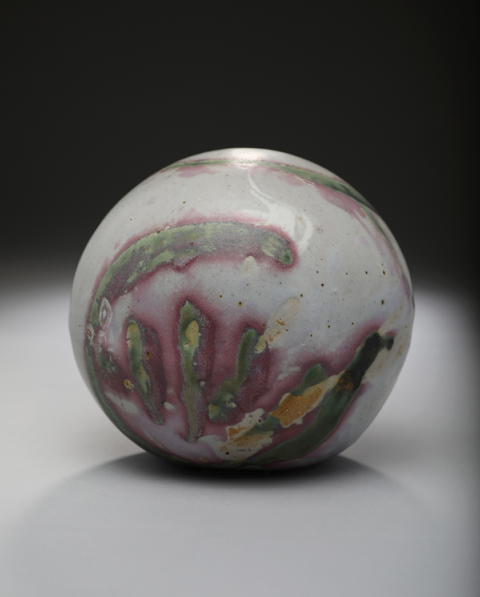
Toshiko Takaezu, 3/4 Moon, glazed stoneware
Toshiko Takaezu
American (1922 – 2011)
Toshiko Takaezu was one of the twentieth century’s greatest ceramic artists. She combined inspiration from her own cultural background with currents from contemporary painting and sculpture, arriving at a unique expressionist idiom.
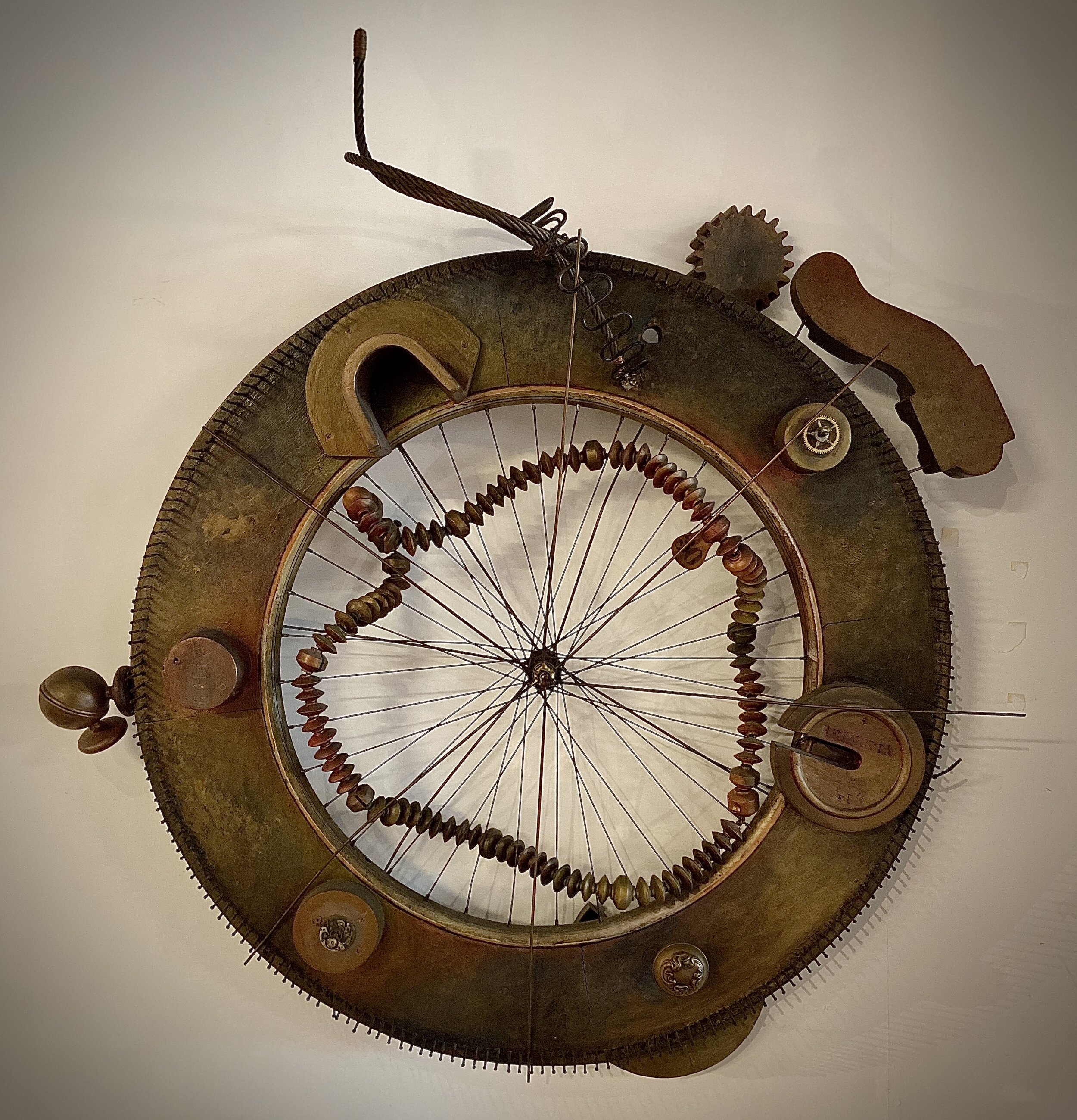
Janet Sullivan Turner, Icon Series #36/Roulette Wheel, mixed media
Janet Sullivan Turner
American, Born 1935
Revision is at the heart of Janet Sullivan Turner’s assemblages, bridging the gap between past, present, and future.

Robert R. Anderson, Western Story, acrylic on canvas
Robert R. Anderson
American (1946 – 2010)
Robert R. Anderson’s body of work pays homage to classic pulp fiction images that became popular in post-war culture known as Pulp Americana.

Anthony Rudisill, Mute Swan, gouache painting
Anthony Rudisill
American, Born 1934
Anthony Rudisill’s career spans nearly sixty years of artistic growth across the disciplines of sculpture and painting with a focus on nature.

René Margotton, La Roue des Mers, oil painting
René Margotton
French (1915 – 2009)
René Margotton was a painter, born in 1915 in Roanne, France. He is known as one of the last Cubists of the 20th century.
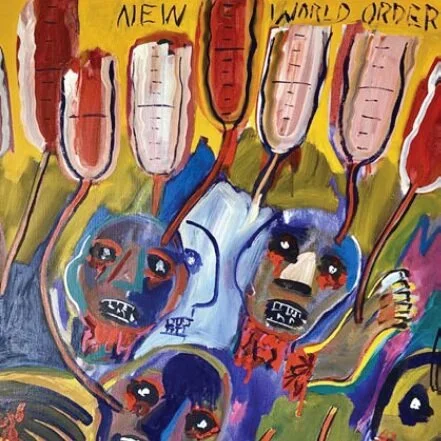
Hak Vogrin, New World Order, oil painting
Hak Vogrin
American, (1920 – 2009)
Predominantly a self-taught, “outsider artist,” Hak Vogrin was a part of the ‘60s and ‘70s underground “comix” movement.
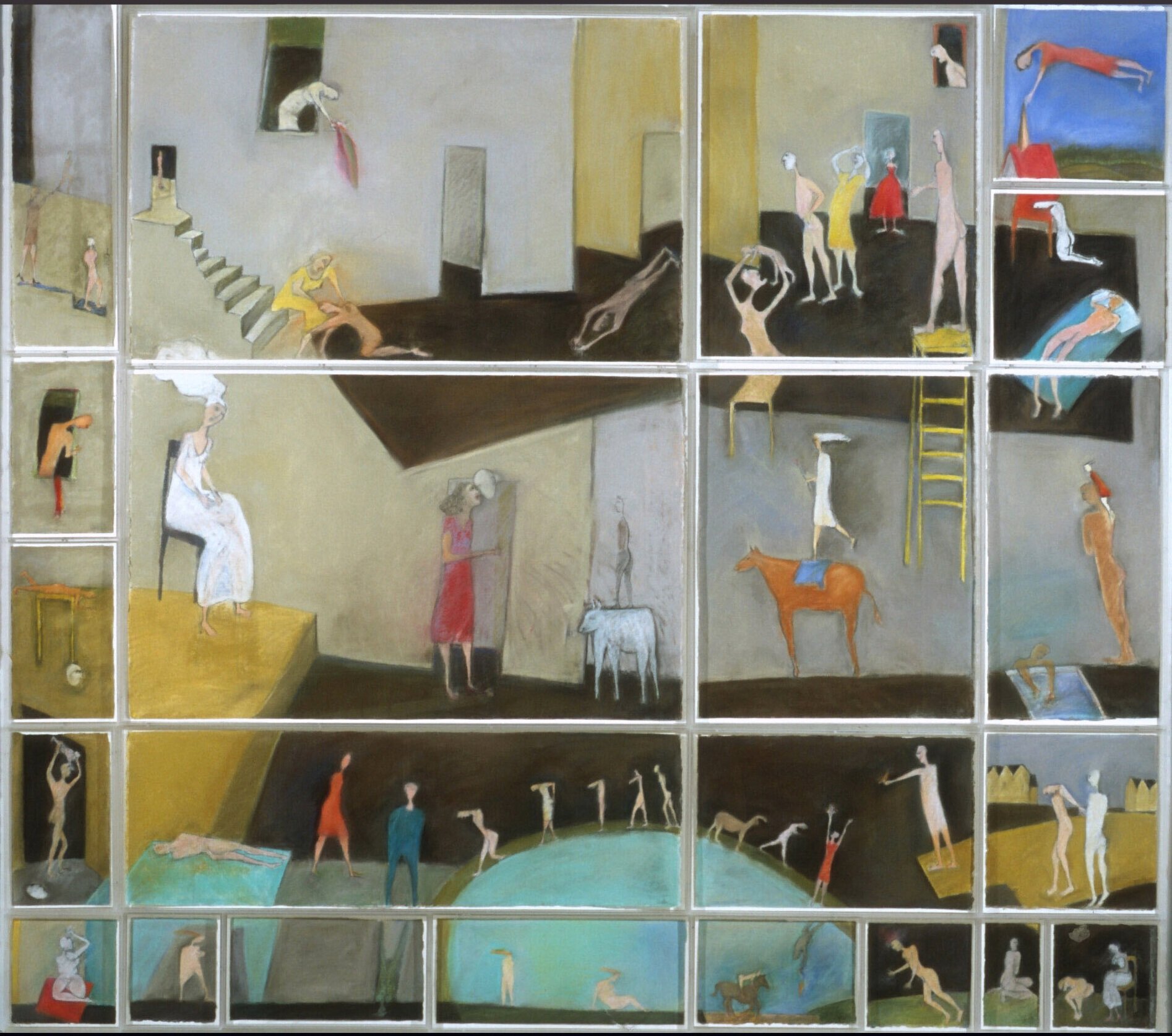
Valetta, Tidal Wave, pastel, on 22 panels
Valetta
American
Valetta's visual work has been categorized as figurative abstraction, leaning toward the surreal crammed with symbolism.

Lavett Ballard, Greenbook Diaries, mixed media, collage on fence panel
Lavett Ballard
American
Ballard’s work consists of a collage – painted, destroyed and reborn to create a reimagined visual narrative to the African American history portrayed.

Alan Willoughby, Truth to Power, Double Wall, White stoneware clay
Alan Willoughby
American
Willoughby’s work addresses function and sculptural forms by utilizing wheel thrown and hand-built components with additive and subtractive processes.

Joseph Podlesnik, Phoenix Auto Show, Archival pigment print
Joseph Podlesnik
American
Joseph Podlesnik’s work uses photography as an instrument of visual discovery, to make the familiar unfamiliar by stunting logical perspective space.

Fred Staloff, Fundy, New England, painting
Fred Staloff
American, (1924 – 2019)
New Jersey-born artist, Fred Staloff, pursued a career in the arts after fighting in World War II.

Joan Arbeiter, Portrait of Agnes Denes, mixed media on clayboard
Joan Arbeiter
American
Joan Arbeiter is a feminist, painter, author, curator, and educator.
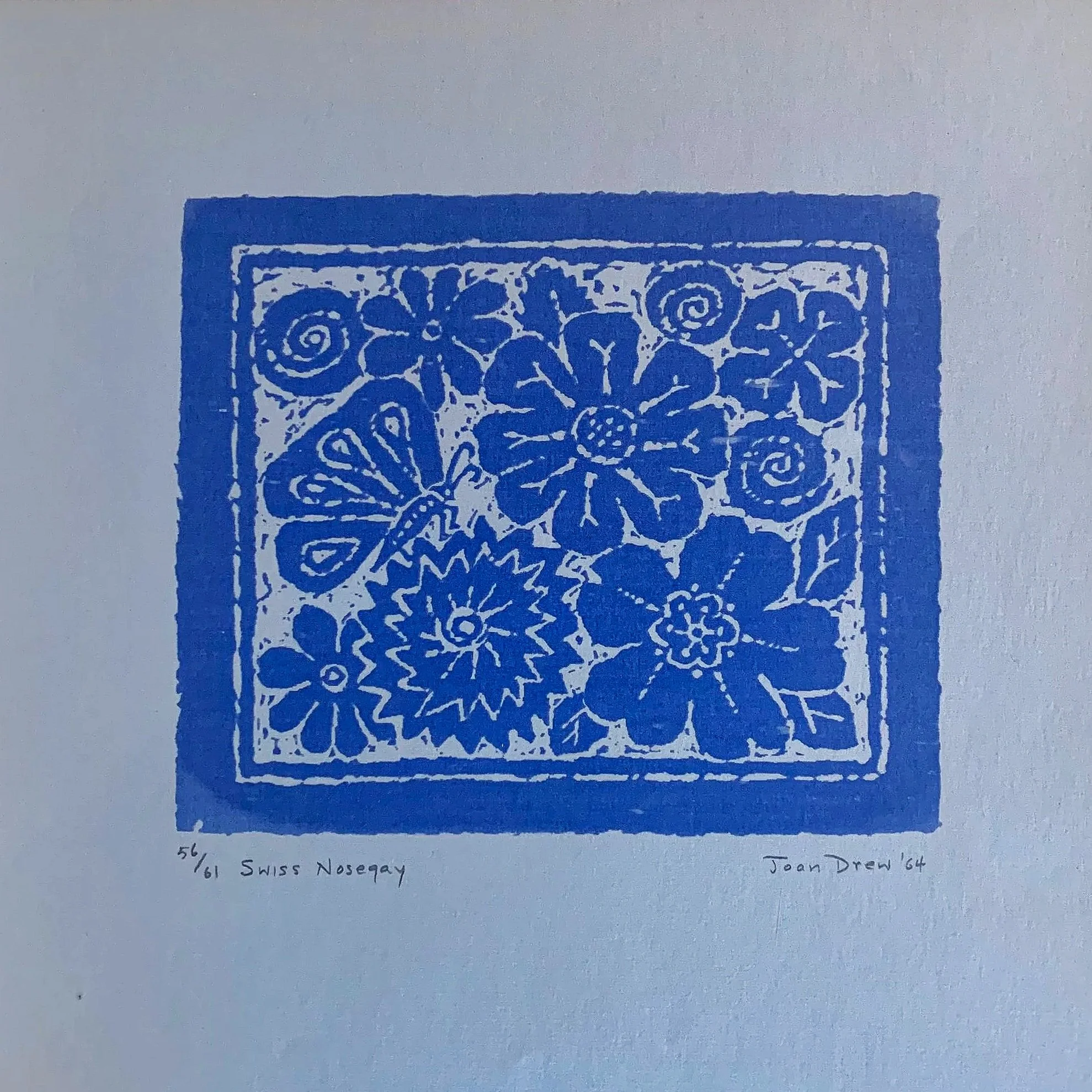
Joan Drew, Swiss Nosegay, Serigraph, 1964
Joan Drew and Richard Kemble
An exhibition of pieces from the Permanent Collection of the Noyes Museum of Art of Stockton University.
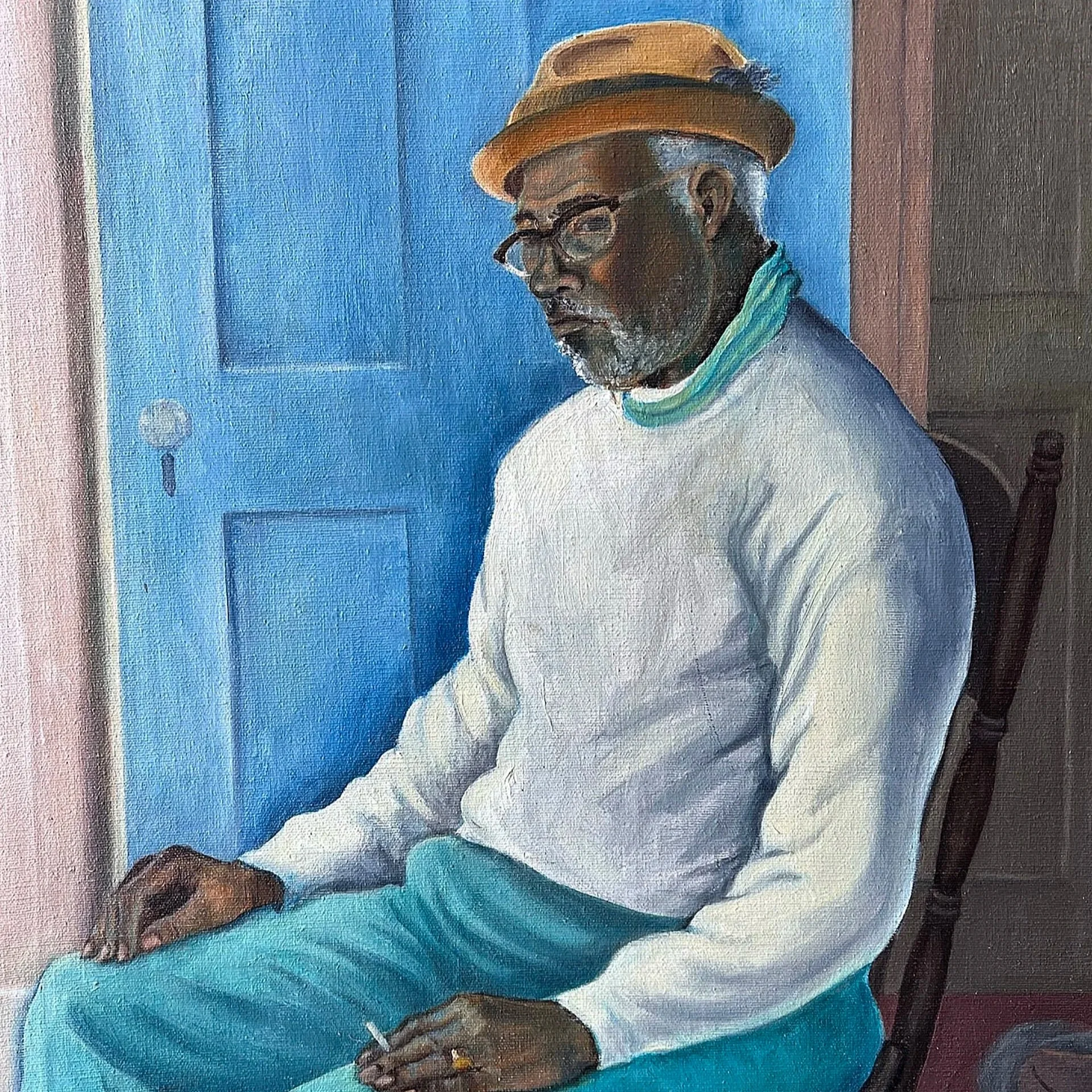
Floretta Mostovoy, Jasper, painting
Floretta and Ira Mostovoy
American
Floretta and Ira Mostovoy moved to Atlantic City in 1947. Floretta Mostovoy’s paintings were usually her neighbors. Her paintings remind viewers of the affinity between Blacks and Jews through their common heritage of oppression and shared fear of random violence. Her husband, Ira Mostovoy’s photography highlights local Atlantic City landscapes with black and white photographs.
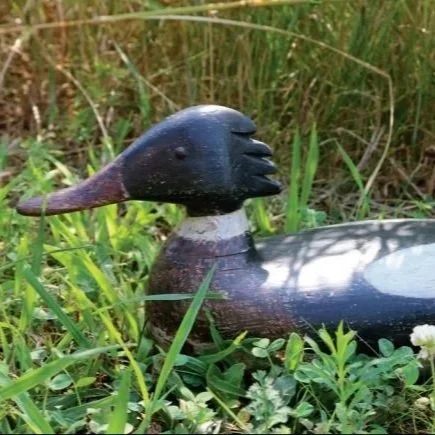
Selections from the Noyes Decoy Collection
This brief selection brings this utilitarian art to light, featuring decoys collected by Fred Noyes Jr. for South Jersey’s Noyes Museum of Art. Gary Giberson, who aided in the purchase of many of these decoys, describes each—Giberson is himself an expert carver.
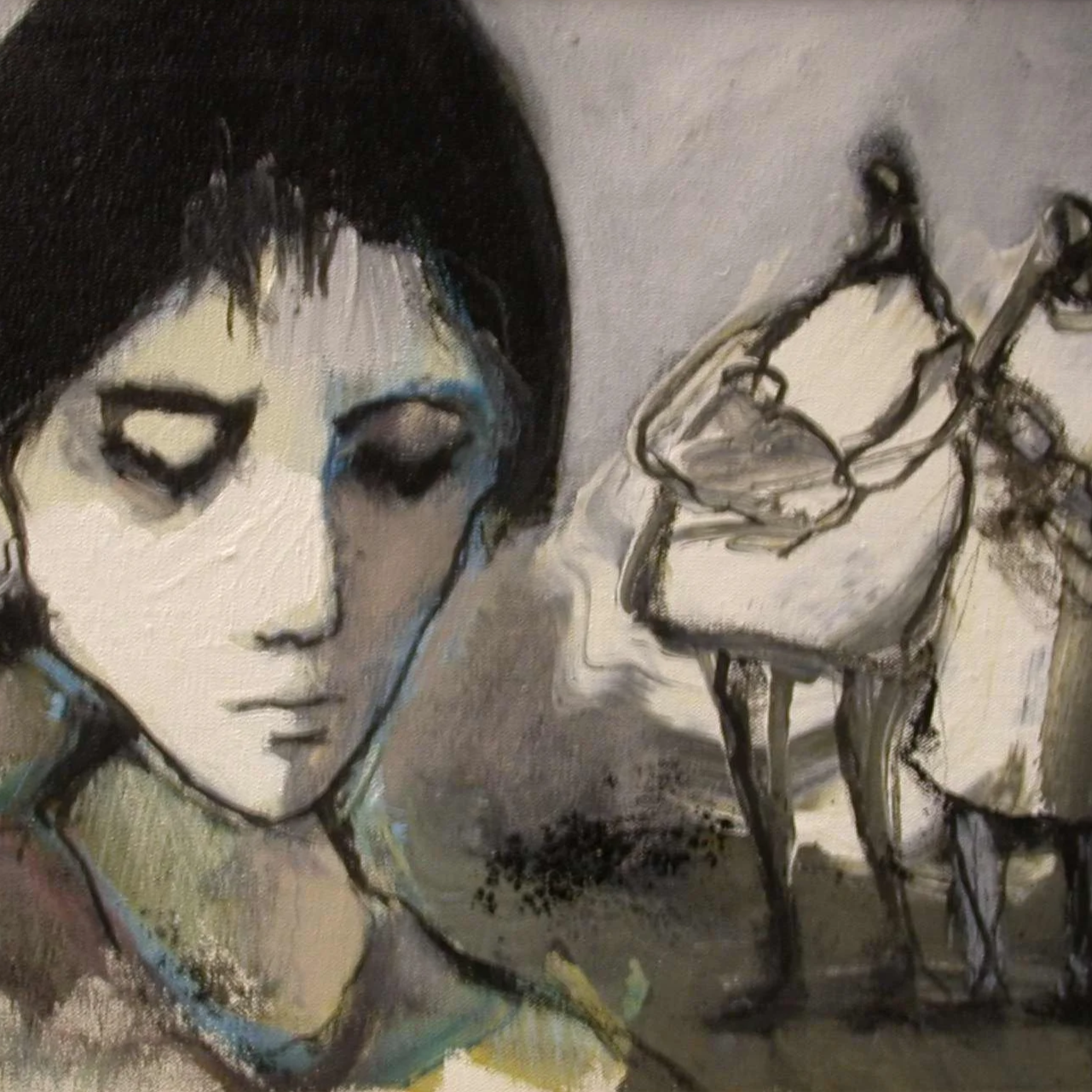
Gino Hollander, Young Women, 1984, 15 x 19-1/2, Acrylic on Canvas
Gift of Linda B. Austin. In memory of Marilyn and Allan Cohen
Gino Hollander
American, (b. 1924 – d. 2015)
Gino Hollander was an abstract expressionist artist. Born in Newark, New Jersey, he moved to Spain and lived there for many years with his family, where he continued his creative work and exhibited in many different countries before returning to the US.